
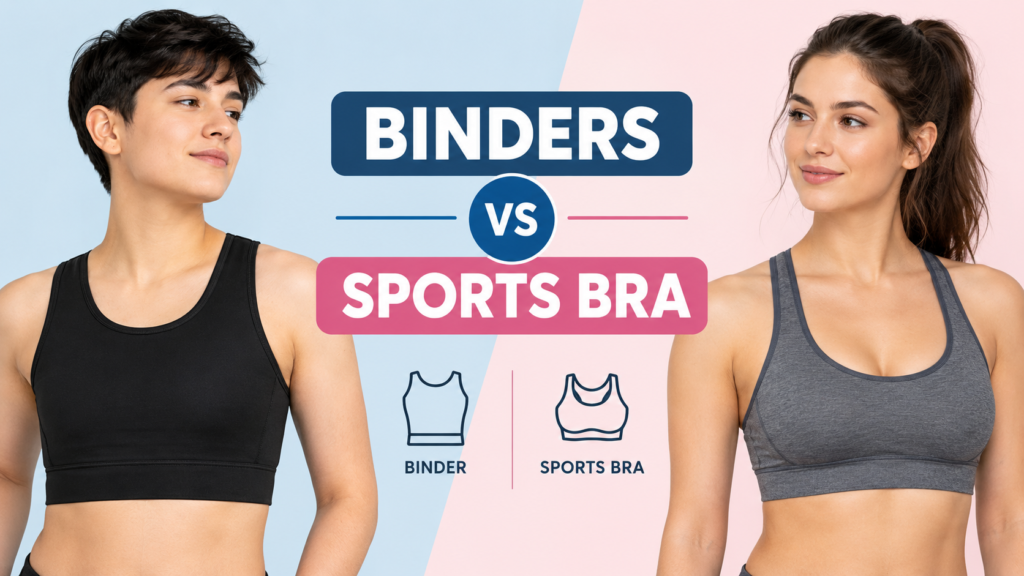
If you are comparing binders vs sports bras, you may be wondering which one provides more compression, which is more comfortable, and whether a sports bra can be used instead of a binder.
The two garments can look similar, but they are designed for different purposes. A chest binder is specifically designed to compress and minimise the appearance of the chest, while a sports bra is primarily designed to provide support and reduce breast movement during physical activity.
This guide explains the differences between binders and sports bras, how they work, when each may be useful, and important comfort and safety considerations.
What is the difference between a binder and a sports bra?
The main difference is purpose and compression.
A chest binder is designed specifically to flatten or compress the chest. It generally provides stronger, more consistent compression than a sports bra.
A sports bra is designed primarily to support the breasts and reduce movement during activities such as running, exercise, or sports. Some high-compression sports bras can make the chest appear flatter, but they are not designed specifically as chest binders.

In simple terms:
| Feature | Chest Binder | Sports Bra |
|---|---|---|
| Main purpose | Chest compression | Breast support |
| Compression | Usually stronger | Low to high, depending on style |
| Designed for flattening | Yes | Not primarily |
| Designed for exercise | Usually no | Yes |
| Breast support | Not the main purpose | Yes |
| Range of styles | Compression-focused | Wide range |
| Everyday wear | Depends on the garment and fit | Commonly used |
| Intended use | Chest flattening | Support and movement reduction |
Is a binder the same as a sports bra?
No. A binder and a sports bra are not the same thing.
Although both can compress the chest, they are constructed differently and have different intended purposes.
A sports bra normally distributes breast tissue within a supportive structure to reduce movement. A binder is designed to create a flatter chest profile through compression.
Some people may find that a high-compression sports bra gives them enough compression for their personal needs. However, the result can be very different from wearing a purpose-designed binder.

Is a sports bra better than a binder?
There is no universal answer because it depends on what you want the garment to do.
If your main goal is support during exercise, a sports bra is designed for that purpose.
If your main goal is creating a flatter chest appearance, a purpose-designed binder is specifically made for chest compression.
Comfort, fit, body shape, activity level, and how long the garment will be worn can also affect which option feels more suitable.
Can a sports bra flatten your chest like a binder?
A sports bra can make the chest appear flatter, particularly if it provides firm or high compression.
However, a sports bra generally does not provide the same type or level of chest compression as a binder.
The amount of flattening depends on the design of the sports bra, its size, the material, and the individual’s body shape.
A compression sports bra may create a noticeably flatter appearance without providing the same effect as a dedicated binder.
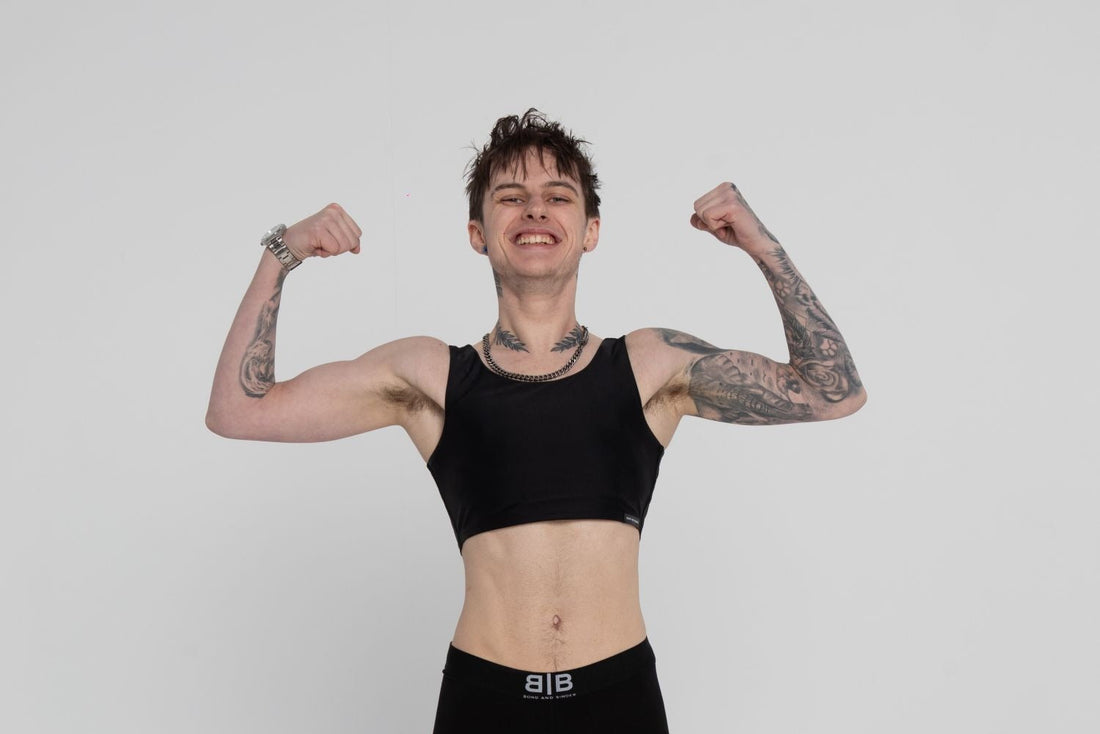
Can you use a sports bra instead of a binder?
Yes, some people choose to use a sports bra when they prefer lighter compression or want a garment that is designed for physical activity.
However, whether it is a suitable alternative depends on your individual goals.
A sports bra may be useful if you want:
- Some chest compression
- Breast support
- Reduced movement during exercise
- A more familiar everyday garment
- Less compression than a traditional binder
If your primary goal is significant chest flattening, a sports bra may not provide the same result as a binder.
Are binders tighter than sports bras?
Generally, binders are designed to provide more substantial compression than most sports bras.
However, sports bras come in different compression levels. A high-impact or high-compression sports bra can feel quite tight, while a lightweight sports bra may provide relatively little compression.
It is important not to assume that tighter automatically means better.
A garment that is excessively tight can cause discomfort and make breathing or movement difficult. Proper fit is more important than simply choosing the tightest option.

Which is more comfortable: a binder or sports bra?
Comfort varies significantly from person to person.
A sports bra may feel more comfortable for exercise because it is specifically designed to accommodate movement and provide breast support.
A binder may provide the desired appearance for someone seeking stronger chest compression, but the level of compression can feel different from a sports bra.
Factors that can affect comfort include:
- Correct sizing
- Fabric and breathability
- Compression level
- Body shape
- Length of wear
- Temperature
- Physical activity
- Individual sensitivity
If a garment causes significant pain, numbness, difficulty breathing, dizziness, or other concerning symptoms, it should be removed.
Can you wear a sports bra while binding?
This depends on what you mean by combining the two garments.
Wearing multiple tight compression garments at the same time can increase the overall pressure on the chest and may reduce comfort and freedom of movement.
For this reason, layering a tight sports bra underneath a binder is generally not something to do simply to increase compression.
If you are considering layering garments, pay attention to breathing, circulation, movement, and overall comfort.

Can you wear a binder while exercising?
Traditional binders are generally not designed specifically for strenuous physical activity.
Exercise changes the way your body moves, breathes, heats up, and produces sweat. A garment designed for everyday compression may therefore feel very different during exercise.
For physical activity, a properly fitted sports bra or another garment specifically designed for exercise may provide better support and freedom of movement.
If you use a binder during physical activity, pay particular attention to breathing and discomfort and follow the manufacturer’s instructions.
Is a sports bra safer than a binder?
It is difficult to say that one garment is universally safer because safety depends on factors such as fit, compression, material, activity, and duration of wear.
A correctly fitted sports bra is designed to support the breasts during physical activity.
A binder is designed for chest compression and therefore has a different purpose.
For either garment, excessive compression or an incorrect fit can cause problems. You should not ignore symptoms such as significant pain, difficulty breathing, numbness, tingling, dizziness, or skin injury.
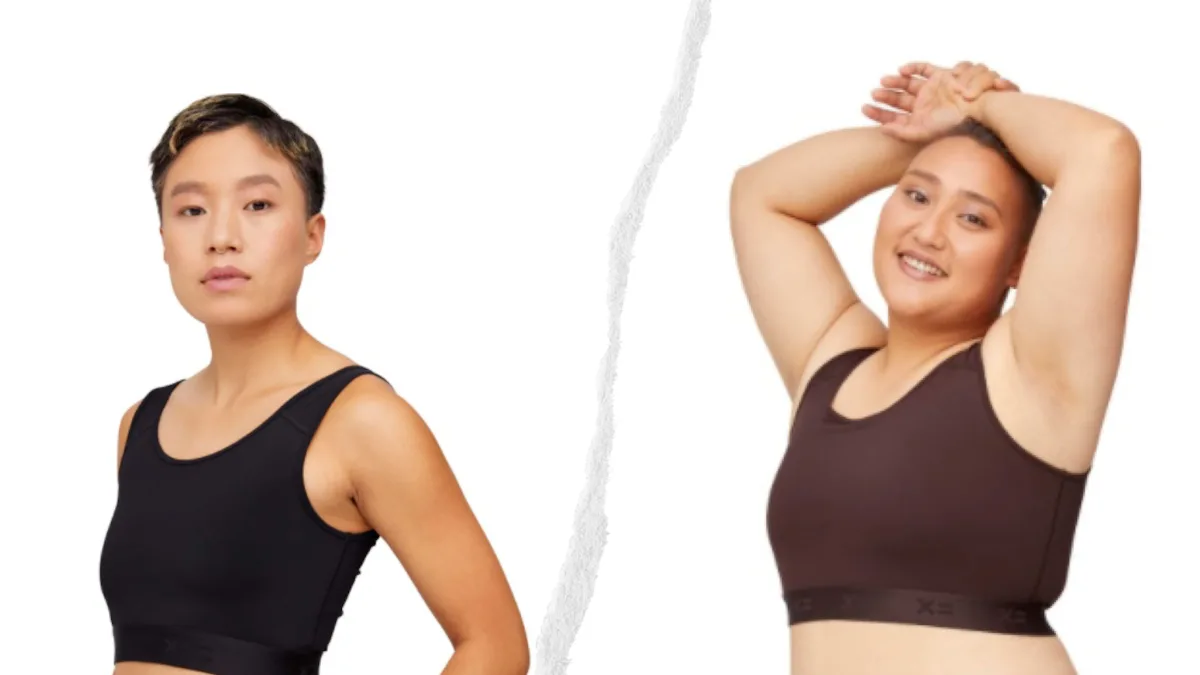
Can you sleep in a binder or sports bra?
Sleeping in tight compression clothing may be uncomfortable and can increase the amount of time your body is exposed to compression.
Whether a particular garment is suitable for sleeping depends on its design and the manufacturer’s instructions. A very tight binder is generally not intended to be worn continuously without breaks.
If you experience discomfort or breathing difficulty while wearing a compression garment, remove it.
For specific medical or body-related concerns, it is best to speak with a qualified healthcare professional.
What is better for exercise: a binder or sports bra?
For exercise, a sports bra is specifically designed to provide support while the body is moving.
Sports bras are available in different levels of support, including low-, medium-, and high-impact designs.
For activities such as:
- Running
- Jumping
- Gym workouts
- Cycling
- Aerobic exercise
- Sports
a sports bra is generally designed with movement and support in mind.
A binder, by comparison, is primarily designed for chest compression rather than athletic support.
What is better for chest flattening: a binder or sports bra?
A binder is specifically designed for chest flattening, so it generally provides a more pronounced flattening effect than a standard sports bra.
However, the exact result varies between individuals.
A compression sports bra may provide enough flattening for someone who wants a more subtle effect, while another person may prefer the stronger compression associated with a binder.
There is no single garment that produces the same result for everyone.
Can wearing a sports bra make your chest look smaller?
Yes. A sports bra can make the chest appear smaller or flatter.
This is particularly noticeable with compression-style sports bras.
However, a sports bra does not permanently change breast size or chest anatomy. The visual effect comes from how the garment supports and distributes the tissue while it is being worn.

Can a binder make your chest completely flat?
A binder can significantly reduce the appearance of the chest, but it cannot guarantee a completely flat appearance.
The result depends on factors such as:
- Chest size
- Body shape
- Tissue distribution
- Binder design
- Correct sizing
- Clothing worn over the binder
Trying to make the chest completely flat by choosing an excessively small binder is not a good approach. The garment should fit according to the manufacturer’s sizing guidance.
What should I wear if I want compression but also want to exercise?
If you want compression specifically during exercise, look for a properly fitted sports bra or exercise garment designed for the activity you are doing.
A high-support sports bra can provide substantial support and some compression while allowing movement.
If your primary goal is chest flattening rather than breast support, you may want to discuss appropriate options with a healthcare professional or a specialist retailer familiar with compression garments.
Binders vs sports bras: which one should I choose?
The answer depends mainly on your goal.
Choose a sports bra when your priority is:
- Exercise support
- Reducing breast movement
- Comfort during physical activity
- A range of compression levels
- Everyday athletic wear
A binder is designed primarily for:
- Chest compression
- Creating a flatter chest appearance
- Reducing the visible projection of the chest
Neither garment is automatically appropriate for every situation. The most important considerations are proper fit, intended use, comfort, and following the manufacturer’s instructions.
:max_bytes(150000):strip_icc()/tal-on-performance-flex-bra-danielle-calma-09-0f408016134844bc88e9ea29ea27bb47.jpeg)
Frequently Asked Questions
Are binders and sports bras the same?
No. Sports bras are primarily designed for breast support and reducing movement, while binders are designed specifically for chest compression and flattening.
Can a sports bra replace a binder?
A sports bra can provide some compression and may be sufficient for someone who wants a less pronounced flattening effect. However, it generally does not provide the same compression as a purpose-designed binder.
Does a sports bra flatten your chest?
Some compression sports bras can make the chest look flatter, but they are primarily designed for support rather than maximum chest flattening.
Is a binder more compressive than a sports bra?
Generally, yes. Binders are specifically designed for chest compression, while sports bras range from lightly supportive to highly compressive.
Can you wear a sports bra under a binder?
Layering tight compression garments can increase pressure and discomfort. It is better to follow the manufacturer’s instructions and avoid excessive compression.
Can you exercise in a binder?
Traditional binders are not generally designed specifically for strenuous exercise. A sports bra or exercise-specific garment may be more appropriate for physical activity.
Which is more comfortable, a binder or sports bra?
It depends on the person, garment, fit, compression level, activity, and duration of wear. A sports bra may be more comfortable for exercise, while a binder may provide stronger compression.
Final Thoughts
When comparing binders vs sports bras, the biggest difference is their intended purpose.
A binder is designed for chest compression and flattening, while a sports bra is designed primarily for breast support and reducing movement during physical activity.
A high-compression sports bra can provide some flattening and may work well for people who want support and moderate compression. A binder generally provides a more compression-focused design.
Whatever garment you choose, make sure it fits correctly, use it for its intended purpose, and pay attention to your body’s signals. Significant pain, difficulty breathing, numbness, dizziness, or other concerning symptoms are reasons to stop wearing the garment and seek appropriate medical advice.