
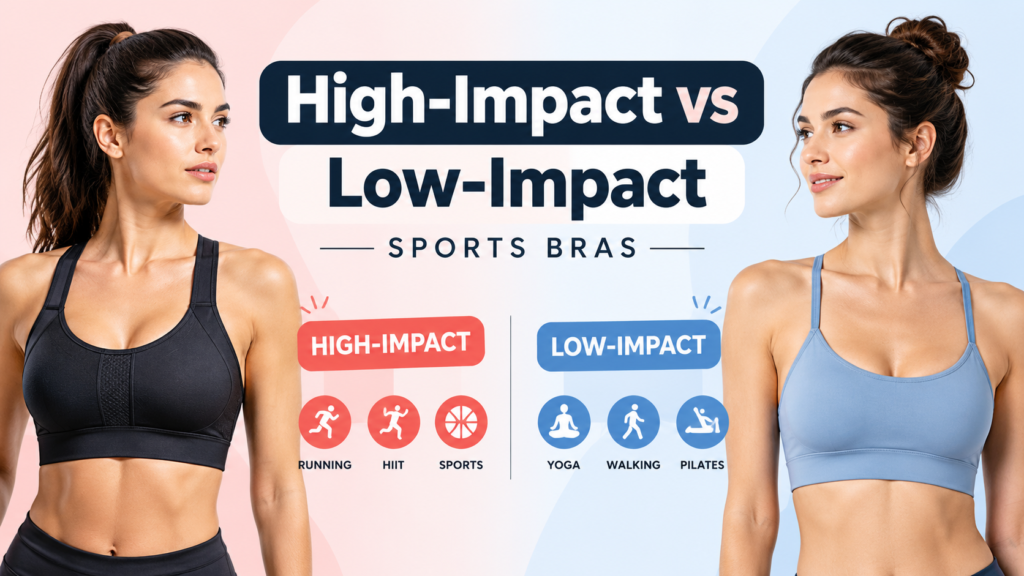
Choosing the right sports bra can make a big difference in comfort, support, and how confidently you can move during exercise. But with so many options labelled high-impact, medium-impact, and low-impact, it can be confusing to know which one you actually need.
If you are wondering “high-impact vs low-impact sports bras, what’s the difference?”, the simple answer is that they are designed for different levels of movement and breast support.
What is the difference between high-impact and low-impact sports bras?
The main difference is the amount of support and movement control they provide.
High-impact sports bras are designed for activities involving running, jumping, intense cardio, HIIT, and other movements where the breasts experience more movement.
Low-impact sports bras are designed for gentler activities such as yoga, stretching, walking, Pilates, and everyday light exercise.
A high-impact bra generally provides more compression, encapsulation, or a combination of both. A low-impact bra usually focuses more on comfort, flexibility, and ease of movement.

What is a high-impact sports bra?
A high-impact sports bra is designed to provide a higher level of breast support during vigorous activities.
High-impact activities can include:
- Running
- Sprinting
- HIIT workouts
- Jumping exercises
- Aerobics
- Cross-training
- Dance workouts
- Intense gym sessions
- Court sports
These activities involve repeated or sudden movements, so a sports bra with stronger support can help reduce breast movement and make exercise more comfortable.
High-impact sports bras may have features such as wider straps, stronger underbands, adjustable straps, molded cups, compression panels, or additional coverage.

What is a low-impact sports bra?
A low-impact sports bra is intended for activities where there is less bouncing and movement.
Common examples include:
- Yoga
- Pilates
- Stretching
- Walking
- Light weight training
- Casual cycling
- Mobility exercises
- Everyday wear
Low-impact sports bras are often lighter and more flexible than high-impact styles. They may feel more like a comfortable everyday bra while still providing some support.
Are high-impact sports bras more supportive?
Generally, yes.
High-impact sports bras are specifically designed to provide more support during activities that involve greater breast movement.
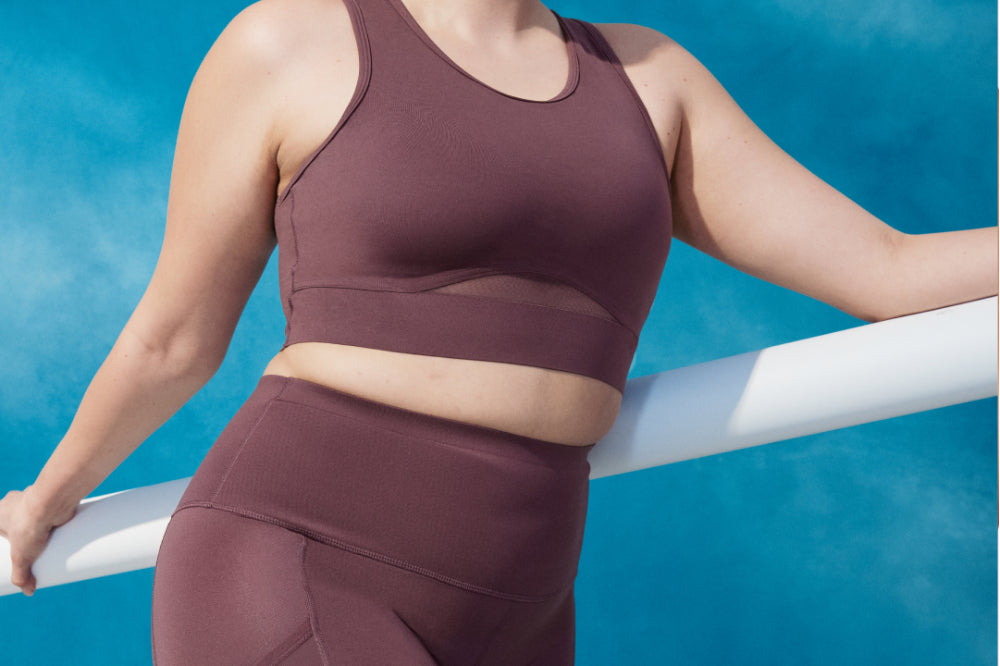
However, the label alone does not guarantee that a particular bra will feel supportive for everyone. Fit, breast size, construction, fabric, band tension, and individual comfort all matter.
A well-fitting low-impact bra may feel perfectly supportive during yoga or walking, while a high-impact bra may be more appropriate for running.
Can I wear a low-impact sports bra for running?
You can, but it may not provide enough support for running.
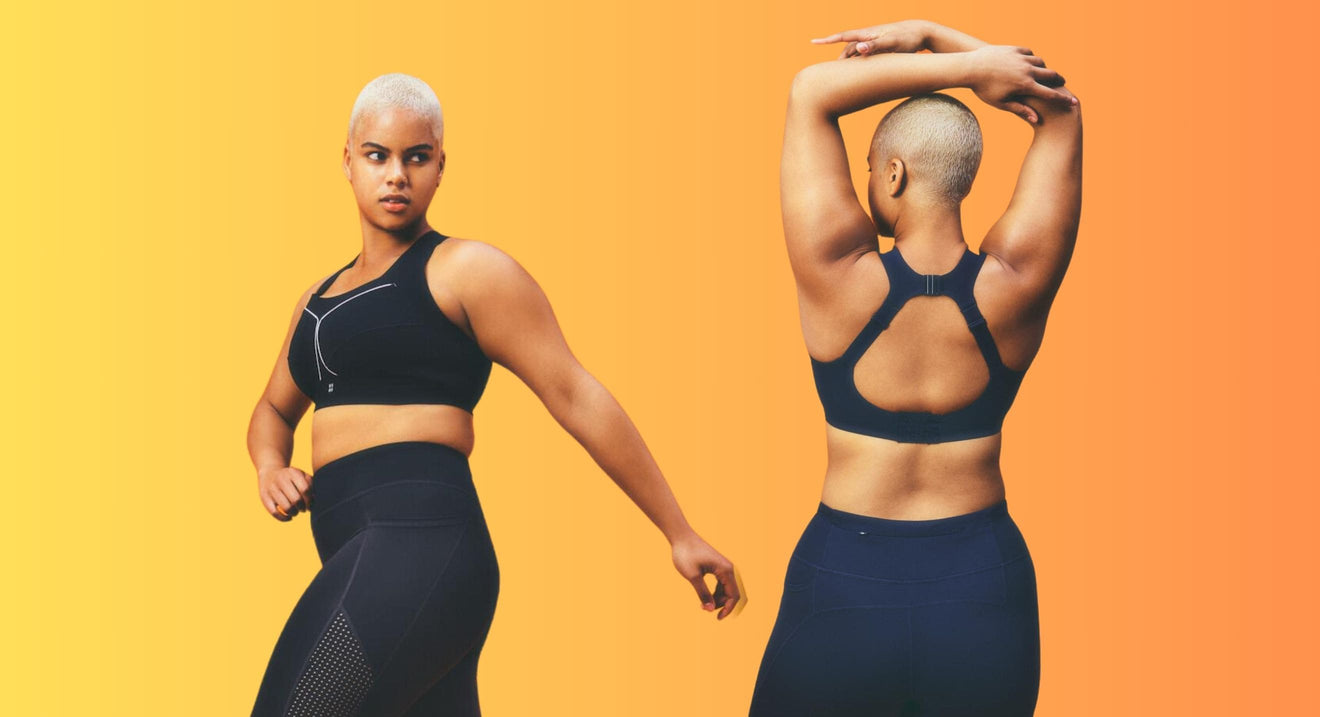
Running involves repeated up-and-down movement, which can create considerably more breast movement than activities such as walking or yoga. If your low-impact sports bra allows noticeable bouncing, discomfort, pulling, or movement, a higher-support design may be more suitable.
For running, look for a sports bra specifically designed for high-impact activity.
Can I wear a high-impact sports bra for yoga?
Yes, you can.
A high-impact sports bra can be worn for yoga if it is comfortable and allows you to move freely. However, some high-impact bras are more structured or compressive than necessary for yoga.
If you find that a high-impact bra feels restrictive during stretching, twisting, or certain yoga positions, a lower-impact design may be more comfortable.

Which sports bra is better for the gym?
It depends on the workout.
If your gym session mainly involves:
- Walking on a treadmill
- Stretching
- Light resistance exercises
- Pilates
- Mobility work
a low-impact sports bra may be sufficient.
If your workout includes:
- Running
- Jumping
- HIIT
- Burpees
- Box jumps
- High-intensity cardio
a high-impact sports bra may provide more appropriate support.
For workouts that combine different activities, a medium- or high-support sports bra can provide greater versatility.
High-impact vs low-impact sports bras for large breasts
If you have a larger bust, support and fit can become especially important during exercise.
A high-impact sports bra may provide better control for activities such as running and jumping. Look for features such as:
- Wide adjustable straps
- A firm but comfortable underband
- Full-coverage cups
- Encapsulation or compression support
- Strong, breathable fabric
- Adjustable back closures
- Minimal unwanted movement
However, breast size alone does not determine which sports bra you need. The type of activity and your personal comfort are also important.
Do high-impact sports bras prevent bouncing better?
Generally, yes.
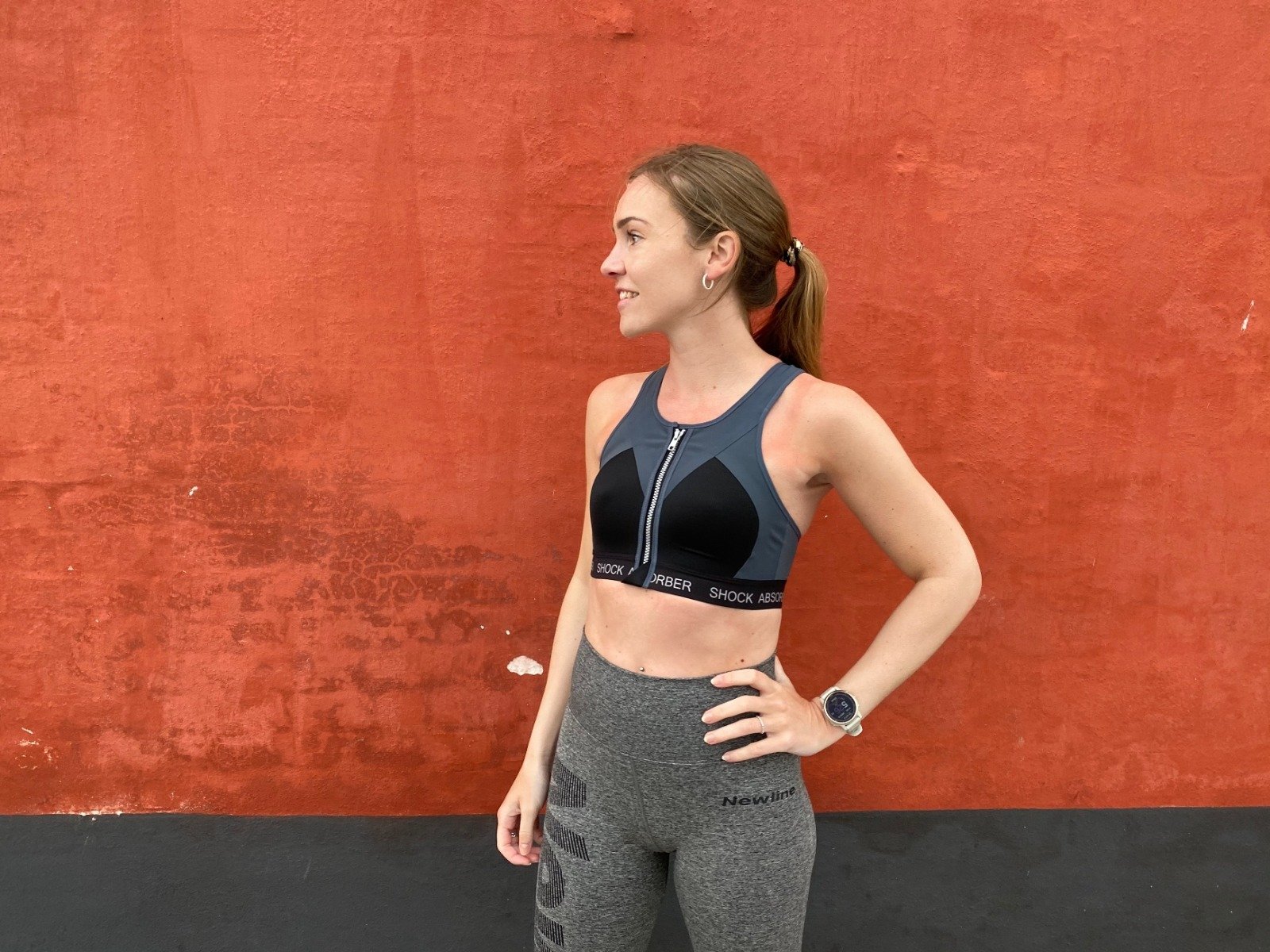
High-impact sports bras are constructed to minimise breast movement during more vigorous exercise. They may use compression, encapsulation, or both.
Compression holds breast tissue closer to the chest, while encapsulation uses individual cups to support the breasts separately.
Some high-impact sports bras combine these approaches to provide additional support.
Are low-impact sports bras more comfortable?
Not necessarily for everyone, but they are often designed with comfort and flexibility as priorities.
A low-impact bra may use softer fabrics, thinner materials, less restrictive construction, and lighter support.
However, a poorly fitting low-impact sports bra can still be uncomfortable. Likewise, a properly fitted high-impact bra can feel comfortable even during long workouts.
The best choice depends on your body, activity, and fit.
Can I wear a low-impact sports bra every day?
Yes. Many people wear low-impact sports bras for everyday activities because they can be comfortable and lightweight.
They can work well for:
- Running errands
- Working from home
- Walking
- Travelling
- Light exercise
- Relaxing at home
Just make sure the bra fits properly and does not cause excessive pressure, rubbing, or discomfort.

Can you wear a high-impact sports bra every day?
Yes, but it may not always be necessary.
A high-impact sports bra can be worn outside workouts, but its stronger compression and structured design may feel less comfortable for extended everyday wear.
If you are wearing a sports bra for several hours without exercising, a softer low- or medium-support option may be more comfortable.
High-impact vs low-impact sports bras: Which one should you choose?
Instead of choosing based only on the bra’s name, consider the activity you are doing.
| Activity | Usually suitable |
| Yoga | Low impact |
| Pilates | Low impact |
| Walking | Low impact |
| Stretching | Low impact |
| Light weights | Low to medium impact |
| Cycling | Low to medium impact |
| Weight training | Medium impact |
| Dance workouts | Medium to high impact |
| Aerobics | High impact |
| HIIT | High impact |
| Running | High impact |
| Jumping exercises | High impact |
These categories are general guidelines. Different brands can use different support classifications, so always check the manufacturer’s description.
How should a sports bra fit?
Whether you choose high-impact or low-impact support, fit is extremely important.
A properly fitting sports bra should feel secure without being painfully tight.
Check the following:
The band: It should sit securely around your body without riding up.
The straps: They should stay in place without digging into your shoulders.
The cups: Breast tissue should remain comfortably contained without spilling out.
The movement: Move your arms, bend, jump, or walk around to see how the bra feels.
The breathing: You should be able to breathe normally without feeling excessive compression.
If you experience significant discomfort, rubbing, numbness, or difficulty breathing, reconsider the size or style.
Is high-impact or low-impact better for you?
Neither category is universally better.
The right sports bra depends primarily on what activity you are doing and how much support you need.
Choose low impact when you want lighter support and flexibility for activities such as yoga, Pilates, walking, or stretching.
Choose high impact when you need greater movement control for running, jumping, HIIT, and other vigorous activities.
If you participate in several types of exercise, you may find that having more than one sports bra gives you better comfort and support across different workouts.

Frequently Asked Questions
Can I use a low-impact sports bra for high-impact exercise?
It may not provide enough support for activities involving running or jumping. A high-impact sports bra is generally designed specifically for those movements.
Can I use a high-impact sports bra for low-impact exercise?
Yes. There is no general rule preventing you from doing so. The main consideration is whether it feels comfortable and allows you to move freely.
What is the difference between low-impact and high-impact sports bras?
Low-impact sports bras provide lighter support for gentle activities, while high-impact sports bras provide stronger support for activities involving more movement and bouncing.
Is a high-impact sports bra better for running?
High-impact sports bras are generally designed for running and other vigorous activities because they provide greater movement control.
Do I need a high-impact sports bra for walking?
Usually, a low-impact sports bra can be sufficient for walking, although your personal comfort and support needs may vary.
What sports bra should I wear for HIIT?
A high-impact sports bra is generally a suitable choice for HIIT because these workouts can include jumping, running, and rapid movements.
Can a sports bra be both comfortable and supportive?
Yes. The key is finding the correct size, construction, and support level for your activity. A sports bra should provide adequate support without causing unnecessary discomfort.
Final Thoughts
The difference between high-impact vs low-impact sports bras mainly comes down to support and the type of movement involved.
For gentle activities such as yoga, walking, and Pilates, a low-impact sports bra may provide all the support you need. For running, HIIT, jumping, and other vigorous workouts, a high-impact sports bra is generally designed to provide greater breast movement control.
Most importantly, don’t choose a sports bra based only on the label. Fit, comfort, support, and the activity you’re doing all matter.
If you’re unsure about your size, use a sports bra size calculator or take your measurements before choosing a new bra.