
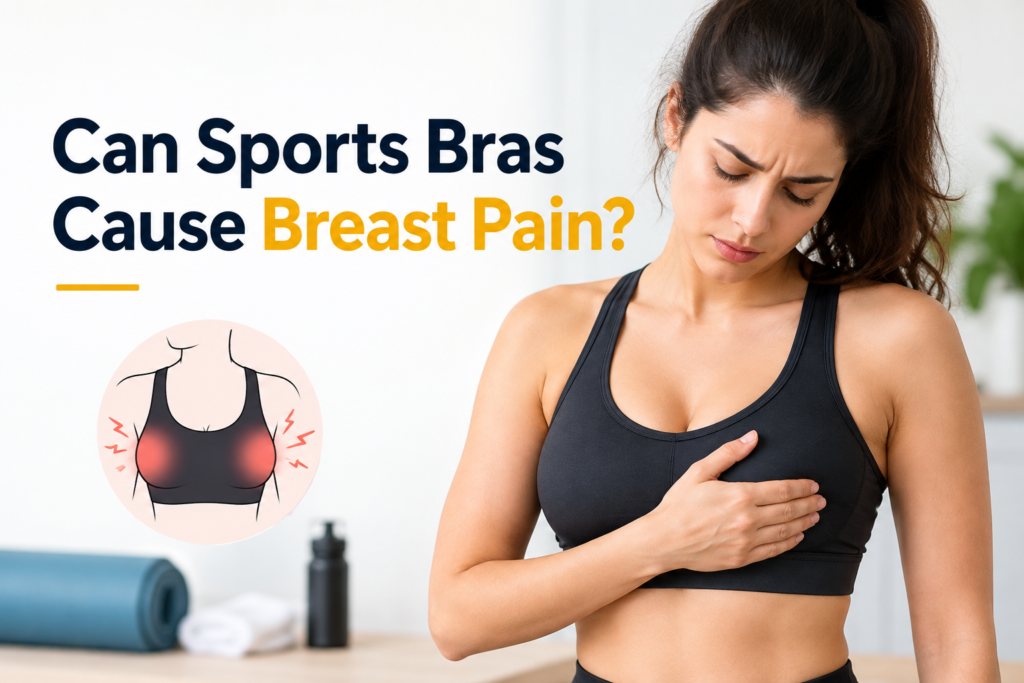
Breast pain can be uncomfortable, especially when you are wearing a sports bra during exercise or throughout the day. While sports bras are designed to provide support and reduce breast movement, the wrong fit, excessive compression, or unsuitable fabric may sometimes contribute to discomfort.
But can sports bras actually cause breast pain? Yes, they can in some situations. However, breast pain may also have other causes that are unrelated to your bra.
In this article, we will explain why a sports bra might cause breast pain, how to choose a comfortable fit, and when you should consider speaking to a healthcare professional.
Can Sports Bras Cause Breast Pain?
Yes, sports bras can cause breast pain if they are too tight, provide inadequate support, or place excessive pressure on breast tissue. A poorly fitting sports bra may cause discomfort around the breasts, ribs, shoulders, or back.
During exercise, your breasts naturally move. A properly designed sports bra helps control this movement and can reduce discomfort. However, if the bra compresses your breasts too much or does not provide the right support, it may have the opposite effect.
Breast pain caused by a sports bra is often related to its fit, design, or the type of activity you are doing.
:max_bytes(150000):strip_icc()/vwt-sports-bra-test-shefit-low-impact-private-004-29941f3a6c3b4081894fc8fa345e4698.jpeg)
Why Does My Sports Bra Make My Breasts Hurt?
There are several possible reasons why your breasts may hurt when wearing a sports bra.
1. Your Sports Bra Is Too Tight
A sports bra that is too tight may place excessive pressure on your breasts and the surrounding chest area.
Signs that your sports bra may be too tight include:
- Breast discomfort or tenderness.
- Pressure around your ribs.
- Red marks that remain after removing the bra.
- Difficulty breathing comfortably.
- Skin irritation or chafing.
- A feeling of restricted movement.
Compression-style sports bras are designed to hold breast tissue close to the chest. However, excessive compression may become uncomfortable, especially during long workouts.
What to do: Try a larger size or a different style that provides support without excessive pressure.
2. Your Sports Bra Does Not Provide Enough Support
A sports bra that is too loose or poorly designed may allow excessive breast movement during exercise.
Activities such as running, jumping, and aerobics can cause repeated breast movement. This may contribute to breast discomfort, particularly for people with larger breasts.
A sports bra should provide enough support for your activity without squeezing your breasts painfully.
What to do: Consider a supportive sports bra designed for your breast size and the type of exercise you perform.
3. The Band Is Too Tight
The band of a sports bra sits around your rib cage. If it is too tight, it may create pressure around your chest and underneath your breasts.
This discomfort can sometimes feel like breast pain, even when the main source of pressure is the surrounding tissue.
A sports bra band should feel secure but should not dig into your skin or make breathing uncomfortable.
What to do: Check whether the band sits comfortably around your body. You may need a different size or a bra with a more comfortable band design.
4. The Cups Do Not Fit Properly
Sports bras come in different shapes and designs. If the cups are too small, they may compress breast tissue or cause uncomfortable pressure.
You may notice:
- Breast tissue spilling out of the sides or top.
- Pain or tenderness in particular areas.
- Pressure near the underarms.
- Uncomfortable squeezing during movement.
If the cups are too large, the bra may not provide adequate support.
What to do: Try a different size or a sports bra with a more suitable cup shape.
5. You Are Wearing the Wrong Type of Sports Bra
Not every sports bra is suitable for every activity.
For example, a low-support sports bra may not be appropriate for running, while a very compressive bra may feel uncomfortable during gentle activities.
Sports bras are commonly designed for different levels of activity:
| Activity | Suitable support |
| Yoga and stretching | Low support |
| Walking | Low to medium support |
| Weight training | Medium support |
| Cycling | Medium support |
| Running | Medium to high support |
| Jumping exercises | High support |
Choosing the appropriate level of support may help reduce breast movement and discomfort.
Can Wearing a Sports Bra All Day Cause Breast Pain?
Wearing a sports bra all day may cause discomfort if it is too tight, poorly fitted, or made from irritating materials.
A sports bra that feels comfortable during a short workout may become uncomfortable after several hours. Prolonged pressure, sweating, and friction may contribute to soreness or skin irritation.
However, wearing a sports bra for a long time does not automatically cause breast pain. The effect depends on the fit, construction, comfort, and individual sensitivity.
How to Stay Comfortable When Wearing a Sports Bra All Day
- Choose a properly fitted sports bra.
- Avoid excessive compression.
- Select breathable, soft materials.
- Take breaks from wearing the bra when practical.
- Change out of a sweaty sports bra after exercising.
- Avoid wearing a bra that causes persistent pain or irritation.
If a sports bra consistently causes discomfort, consider trying a different style.
Can a Tight Sports Bra Cause Breast Tenderness?
A tight sports bra may contribute to breast tenderness by placing pressure on breast tissue and the surrounding chest area.
Tenderness may be more noticeable when:
- You move your arms.
- You exercise.
- You touch the affected area.
- You wear the bra for several hours.
However, breast tenderness can also occur because of hormonal changes, muscle strain, injury, or other medical conditions.
If tenderness continues after removing the sports bra or occurs regularly, it is important not to assume that the bra is the only cause.

Can Sports Bras Cause Breast Pain During Exercise?
Yes, a sports bra may contribute to breast pain during exercise if it does not fit correctly or provide suitable support.
During physical activity, repeated breast movement can cause discomfort. On the other hand, excessive compression may create pressure and soreness.
The type of exercise also matters. Running and jumping generally involve more breast movement than walking or gentle stretching.
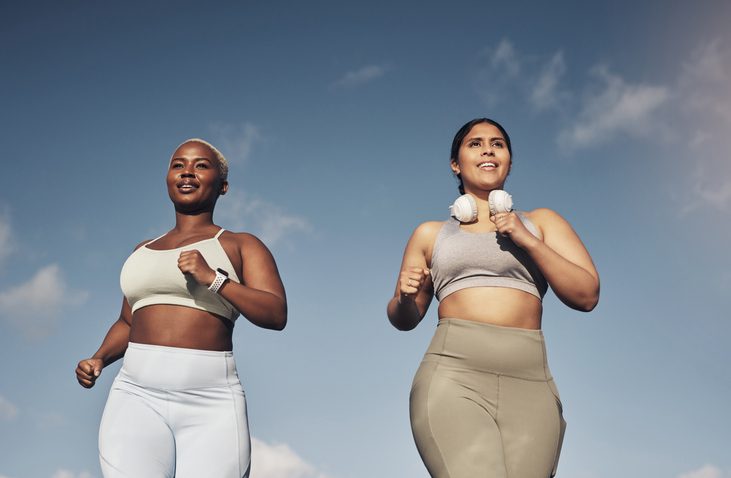
Tips to Reduce Breast Pain During Exercise
- Wear a sports bra designed for your activity.
- Make sure the band feels secure but not painfully tight.
- Check that the cups fit comfortably.
- Look for adjustable straps if needed.
- Replace worn-out sports bras that have lost their support.
- Stop exercising if you experience significant or unusual pain.
A properly fitted sports bra can help improve comfort during physical activity.
Can Sports Bras Cause Breast Pain on One Side?
A sports bra may contribute to discomfort on one side if it fits unevenly, places pressure on a particular area, or causes friction.
However, pain in one breast should not automatically be blamed on a sports bra.
Other possible causes include:
- Muscle strain.
- Hormonal changes.
- Breast cysts.
- Injury.
- Skin irritation.
- Inflammation.
- Other breast or chest conditions.
If pain on one side persists, becomes more severe, or occurs without an obvious explanation, consult a healthcare professional.
How Do I Know If My Sports Bra Is Causing Breast Pain?
You may suspect that your sports bra is contributing to discomfort if:
- The pain begins after putting it on.
- The discomfort improves after removing it.
- The bra leaves deep or painful marks.
- You experience pressure around your breasts or ribs.
- The pain occurs mainly during exercise while wearing that bra.
- A different, properly fitted bra feels more comfortable.
These signs may suggest that the bra is contributing to the problem, but they do not prove that it is the cause.
If pain continues even when you are not wearing a sports bra, consider other possible causes and seek medical advice when appropriate.
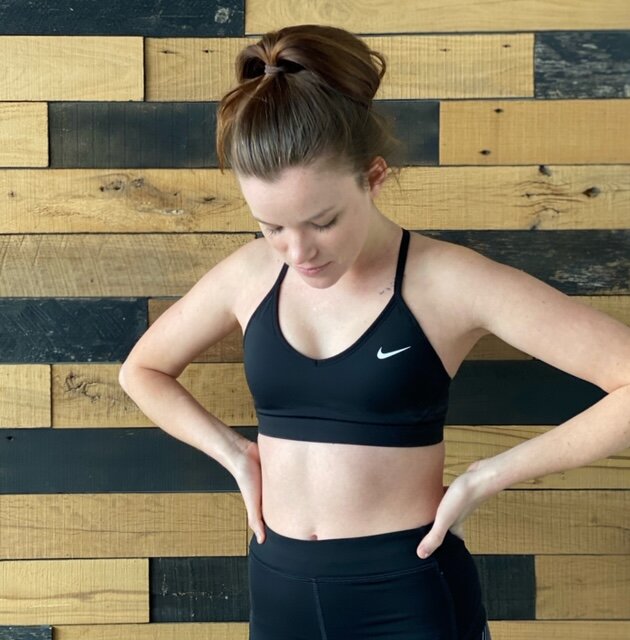
How Should a Sports Bra Fit to Prevent Breast Pain?
A properly fitted sports bra should feel supportive, comfortable, and secure.
Here are some important fitting guidelines:
The Band
The band should sit level around your rib cage. It should feel secure without digging into your skin or restricting your breathing.
The Cups
Your breasts should fit comfortably inside the bra without excessive spilling, squeezing, or uncomfortable gaps.
The Straps
The straps should provide support without digging into your shoulders.
Breast Movement
The sports bra should reduce uncomfortable breast movement during your chosen activity.
Comfort
You should be able to move, breathe, and exercise without significant discomfort.
If a sports bra causes pain, try a different size, design, or support level.
Can Sports Bras Cause Breast Pain Even If They Fit Correctly?
Yes, discomfort can sometimes occur even when a sports bra appears to fit correctly.
Possible explanations include:
- Increased breast sensitivity.
- Hormonal changes.
- Exercise-related muscle soreness.
- Friction or skin irritation.
- An existing breast or chest condition.
- Sensitivity to pressure or certain materials.
A correct fit can reduce some common causes of bra-related discomfort, but it cannot prevent every type of breast pain.
When Should You Stop Wearing a Sports Bra?
You should stop wearing a particular sports bra if it causes significant discomfort, painful pressure, skin irritation, or difficulty breathing.
Consider replacing it if:
- The fabric has become rough or irritating.
- The band has stretched or lost its support.
- The bra no longer fits properly.
- The cups compress your breasts uncomfortably.
- The bra repeatedly causes pain.
If the pain does not improve after removing the bra, do not assume that the sports bra is responsible.

When Should You See a Doctor About Breast Pain?
Most breast pain is not caused by breast cancer, but persistent or unexplained pain should not be ignored.
Speak to a healthcare professional if:
- Breast pain persists or keeps returning.
- The pain is severe or worsening.
- You notice a new lump or swelling.
- There are changes in the shape or appearance of a breast.
- You notice nipple discharge, particularly if it is bloody.
- The skin becomes red, hot, or swollen.
- You develop a fever along with breast pain.
- Pain occurs without an obvious explanation.
Seek urgent medical attention if breast or chest pain is sudden, severe, or accompanied by symptoms such as difficulty breathing, fainting, or pain spreading to the arm, jaw, or back.
A healthcare professional can help determine whether the pain is related to your sports bra, exercise, hormonal changes, or another condition.
Frequently Asked Questions
Can wearing a sports bra cause breast pain?
Yes, a poorly fitting or overly tight sports bra may contribute to breast pain. However, breast pain can have several other causes.
Is it normal for my breasts to hurt after wearing a sports bra?
Mild discomfort may occur if the bra is poorly fitted or provides unsuitable support. Persistent or significant pain should be evaluated rather than assumed to be normal.
Can a sports bra damage breast tissue?
There is no good evidence that properly fitted sports bras damage breast tissue. However, excessive pressure may cause temporary discomfort, irritation, or skin marks.
Should I wear a sports bra if my breasts are already sore?
You may find a soft, supportive, and properly fitted bra more comfortable. If wearing a sports bra increases your pain, remove it and consider another option.
Can sleeping in a sports bra cause breast pain?
Sleeping in a sports bra may cause discomfort if it is tight, restrictive, or unsuitable for extended wear. A comfortable, non-restrictive option may be preferable if you choose to wear one at night.
How can I stop my sports bra from hurting my breasts?
Check the size, band, cups, and support level. Try a different style, avoid excessive compression, and stop wearing the bra if it causes pain.
Final Thoughts
Can sports bras cause breast pain? Yes, they can sometimes contribute to discomfort, especially when they are too tight, poorly fitted, or unsuitable for your activity.
A properly fitted sports bra should provide support without causing painful pressure. Choosing the correct size, support level, and design may help improve comfort during exercise and everyday activities.
However, breast pain is not always caused by a bra. If your pain is persistent, severe, unusual, or accompanied by other symptoms, speak to a healthcare professional to identify the underlying cause.