
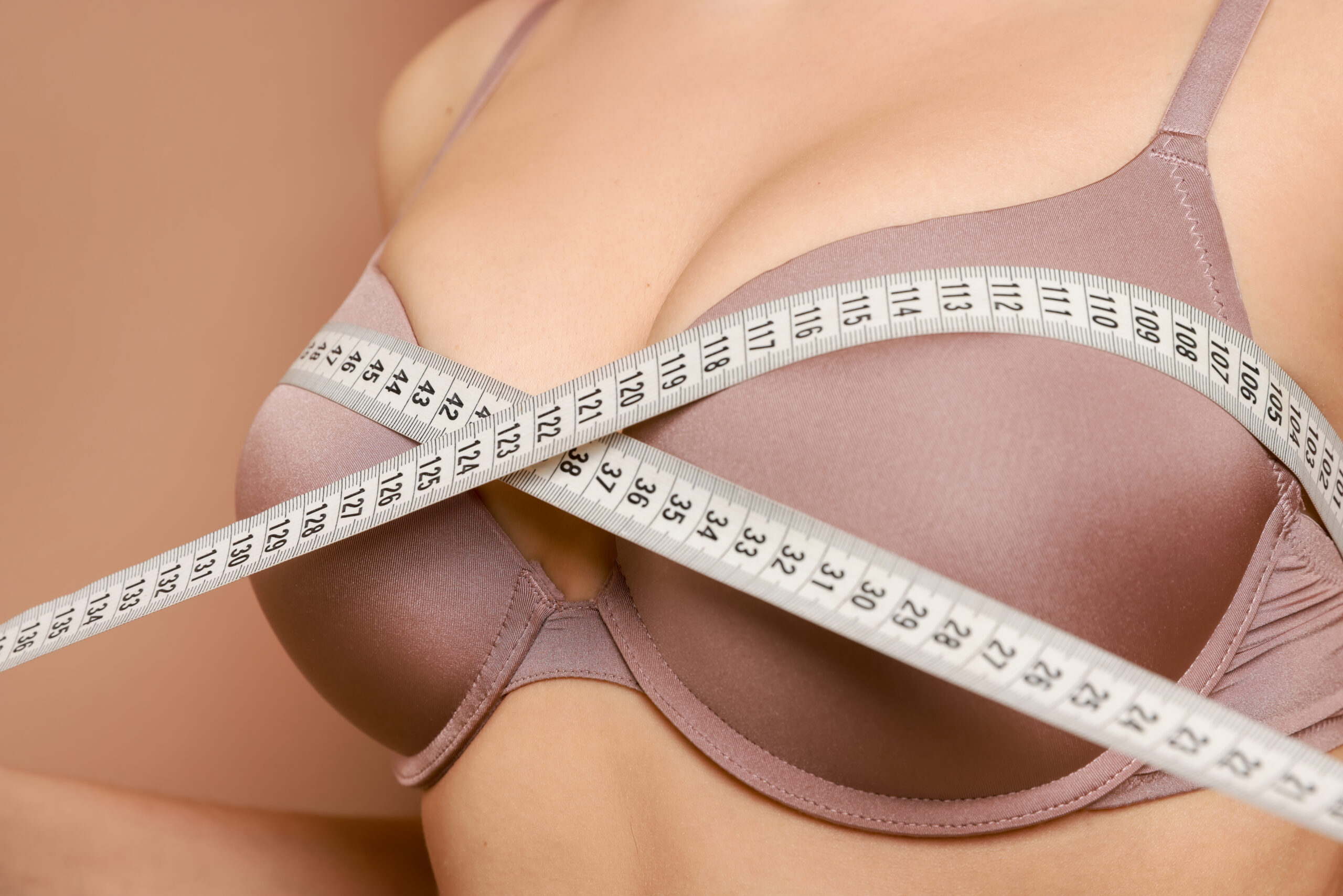
How to Measure Bra Size (Quick Answer)

To measure bra size, you need two measurements: your band size (underbust) and bust size (fullest part of chest). Subtract the band from the bust to find your cup size, then combine both numbers to get your final bra size (like 34B or 36C). The key is using a soft measuring tape and keeping it snug but not tight for accurate results.

Step 1: Measure Your Band Size

Wrap a measuring tape around your ribcage, just under your breasts. Make sure it sits straight and feels snug but not uncomfortable.

  • Round the number to the nearest whole number
  • If it’s an odd number, you can add 1–2 inches depending on your preference for fit

This number becomes your band size (like 32, 34, 36, etc.).

Step 2: Measure Your Bust Size

Now measure around the fullest part of your bust (usually across the nipples). Keep the tape level and relaxed—don’t pull it too tight. Write this number down.

Step 3: Find Your Cup Size

Subtract your band size from your bust size:

  • 1 inch difference = A cup
  • 2 inches = B cup
  • 3 inches = C cup
  • 4 inches = D cup
  • and so on

Example: Bust = 36 inches, Band = 34 inches → Difference = 2 inches → 34B

Step 4: Try Sister Sizes (Important)

If your bra feels slightly off, try “sister sizes.” These are sizes that keep the same cup volume but change band fit.
Example: 34C ≈ 36B ≈ 32D

Step 5: Check the Fit

A well-fitting bra should:

  • Sit flat against your chest at the center
  • Not dig into your shoulders
  • Stay in place when you move
  • Support without spilling or gaping

Final Tip

Your bra size can change over time due to weight changes, hormones, or posture. It’s a good idea to re-measure every 6–12 months instead of relying on the same size forever.

Q1: How do I measure bra size at home?

You measure bra size at home using a soft measuring tape. First, measure under your bust for band size, then around the fullest part of your bust. Subtract the two to find your cup size and combine both numbers to get your final size.

Q2: What if my bra band feels too tight?

If your band feels too tight, try going one size up in the band or checking if your cup size is too small. Sometimes a tight band is caused by an incorrect cup fit, not just the band itself.

Q3: Why does my bra cup gap at the top?

Cup gaping usually means the cup is too big or the style doesn’t match your breast shape. You may need a smaller cup size or a different cut like a balconette or plunge bra.

Q4: How often should I measure my bra size?

You should re-measure every 6–12 months or after major body changes like weight loss, gain, or pregnancy. Even small changes can affect your fit.

Q5: Is bra size the same in every country?

No, bra sizing varies by country and brand. A 34B in one system may not match exactly in another, so always check conversion charts when buying internationally.

Q6: What is a sister size in bras?

Sister sizes are alternate bra sizes with the same cup volume but different band sizes. For example, 34C, 36B, and 32D all hold similar cup volume but fit differently around the body.

Q7: Why does my bra ride up at the back?

If your bra rides up, the band is likely too loose. The band should sit straight across your back and provide most of the support, not the straps.

Q8: Can bra size change with weight loss?

Yes, weight loss or gain can change both your band and cup size. Even small changes in body fat or muscle can affect how your bra fits.

Q9: Should I measure with or without a bra?

It’s best to measure without a padded or push-up bra. A simple, non-padded bra or no bra gives the most accurate result.

Q10: What is the most common bra fitting mistake?

The most common mistake is wearing the wrong band size. Many people choose a loose band and a smaller cup, which leads to poor support.

Q11: How tight should a bra band be?

The band should feel snug but comfortable. You should be able to slide two fingers under it, but it shouldn’t move up or shift when you lift your arms.